
How Human Cell Research Is Advancing Glanzmann Thrombasthenia and Other Platelet Disorders
October 28, 2026
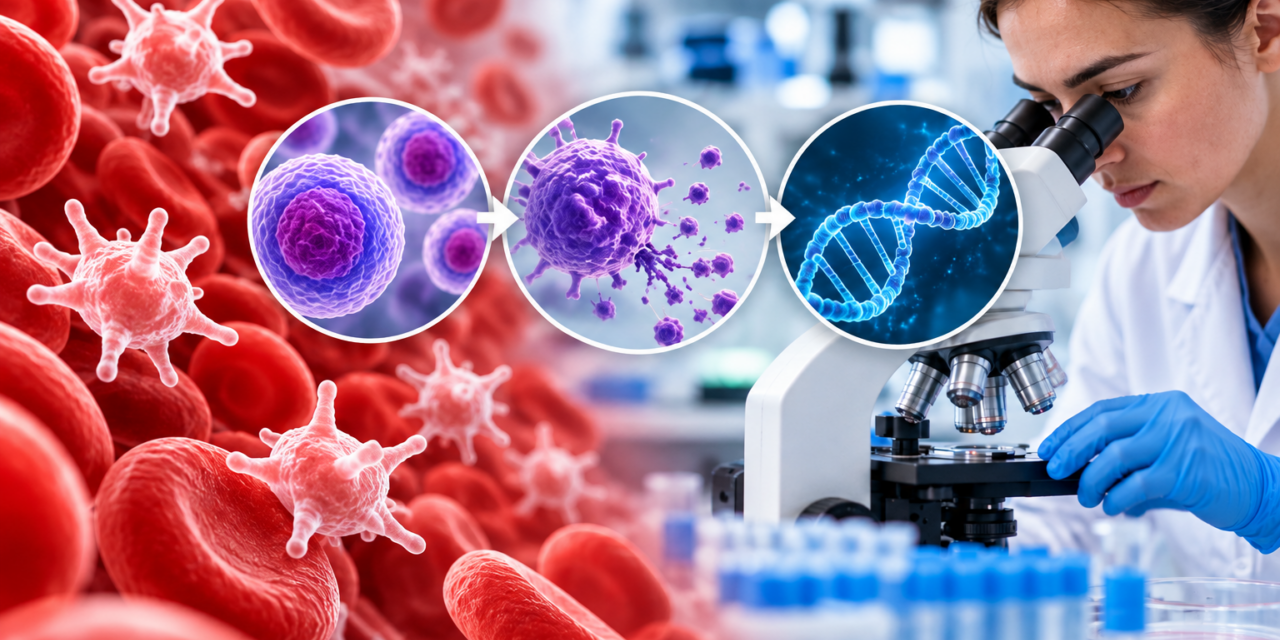
A new scientific review published in Haematologica explores how advances in human cell research are improving our understanding of inherited platelet disorders, including Glanzmann Thrombasthenia (GT). The review highlights how researchers are using stem cells, genetic engineering, and laboratory-grown platelets to investigate the causes of these conditions and explore potential treatments.
Why Human Cell Research Matters
Platelets are essential for controlling bleeding. In inherited platelet disorders, genetic changes can affect platelet function, platelet production, or both.
Researchers have traditionally used animal models to study these conditions. However, animal platelets do not always behave like human platelets, making it difficult to accurately reproduce certain disorders.
Human cell models allow scientists to study specific genetic changes directly and better understand how they affect platelet development and function.
Advances in Stem Cells and Gene Therapy
One of the review’s most promising developments is the use of stem cells to investigate inherited platelet disorders.
Scientists can collect patient cells and develop them into megakaryocytes, the bone marrow cells that produce platelets. This allows researchers to observe how genetic mutations affect platelet production and test potential ways to correct those defects.
The review highlights several important advances related to GT:
- Gene therapy research: Dr. David Wilcox and colleagues demonstrated that introducing a functional gene into patient-derived cells could correct GT-related defects in the laboratory.
- Stem cell technology: Researchers have successfully created stem cell models of GT that reproduce important platelet abnormalities.
- Genetic correction: Studies have restored expression and function of the αIIbβ3 platelet receptor in laboratory models of GT.
These findings provide important evidence that correcting underlying genetic defects may be a potential therapeutic approach. However, laboratory correction does not mean a treatment has been proven safe or effective in patients.
New Technologies Are Expanding Research
Researchers are also developing three-dimensional models that recreate aspects of the human bone marrow environment.
These systems could help scientists better understand platelet development, how inherited disorders affect that process, and how experimental treatments perform under more realistic laboratory conditions.
Although these technologies are still developing, they offer additional tools for studying rare platelet disorders.
What Does This Mean for the GT Community?
For individuals and families affected by GT, this research highlights the importance of continued scientific investigation into the condition’s underlying causes.
While managing bleeding remains essential, advances in stem cell research and genetic engineering are creating opportunities to explore treatments that address the genetic defects themselves.
The review also emphasizes that no single laboratory model can fully reproduce human platelet biology. Further validation and clinical research will be necessary before experimental approaches can become established treatments.
Looking Ahead
Research into inherited platelet disorders continues to advance, with human cell models playing an increasingly important role in understanding genetic mutations and evaluating potential therapies.
For the GT community, these developments reinforce the importance of continued research into gene therapy and other approaches that may one day provide more lasting treatment options.