
Glanzmann Thrombasthenia in Children: What a New Study Found
November 05, 2026
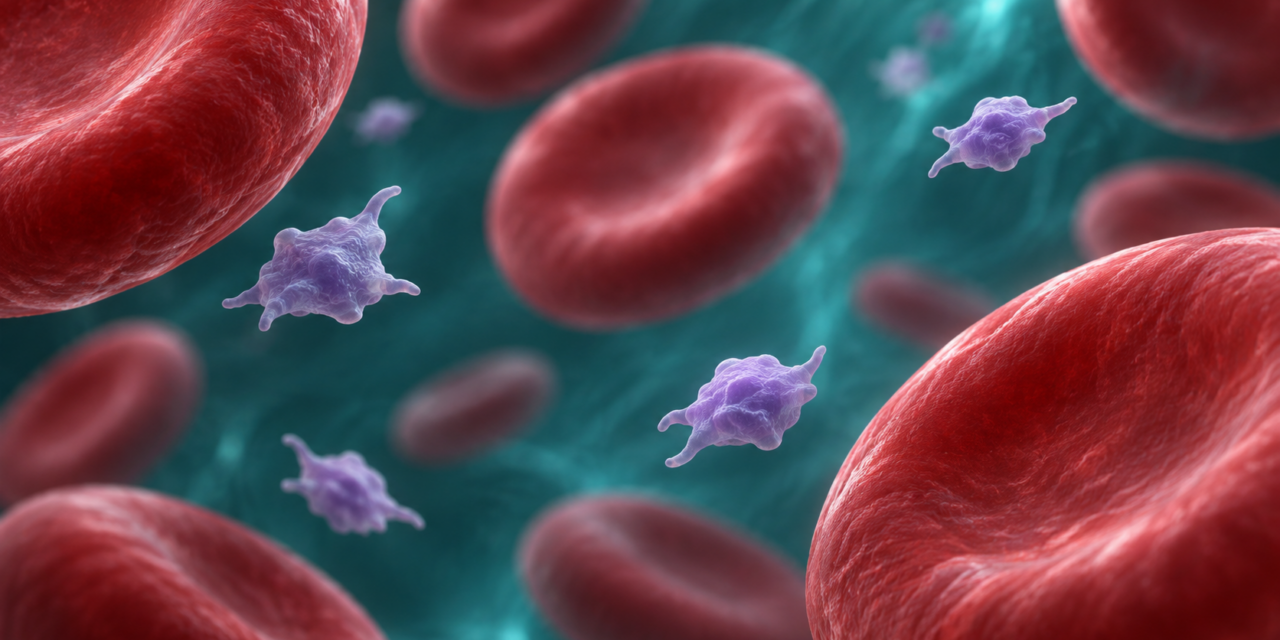
A 2026 study identified Glanzmann thrombasthenia (GT) in 25 of 51 children evaluated for recurrent or severe bleeding. GT was the most frequent diagnosis in this selected group, followed by von Willebrand disease.
The findings highlight the importance of specialized platelet testing. However, they do not establish how common GT is among children generally or among all children with nosebleeds.
What Is Glanzmann Thrombasthenia?
Glanzmann thrombasthenia is a rare inherited bleeding disorder that affects how platelets stick together to help stop bleeding. Symptoms can include recurrent nosebleeds, easy bruising, gum bleeding, and prolonged bleeding after injury.
Children with GT can have a normal platelet count. The problem involves how their platelets function, which requires specialized testing to assess.
What Did the Researchers Find?
The study included 51 children with an average age of approximately eight years. Researchers assessed their bleeding histories and performed laboratory investigations, including platelet aggregation studies, von Willebrand factor testing, and flow cytometry.
The reported diagnoses were:
| Diagnosis | Children | Percentage |
|---|---|---|
| Glanzmann Thrombasthenia | 25 | 49% |
| Von Willebrand Disease | 17 | 33% |
| Factor XIII Deficiency | 7 | 14% |
| Factor V Deficiency | 1 | 2% |
| Fibrinogen Deficiency | 1 | 2% |
Nosebleeds were the most frequent presenting complaint, affecting 23 children across the study group. Pallor was common, average hemoglobin was low, and platelet counts were generally normal.
These symptom findings describe the overall group, rather than only the children with GT.
Why Does Platelet Function Testing Matter?
A platelet count measures how many platelets are present. Platelet function testing examines how effectively they work together.
Most children diagnosed with GT in this study had reduced platelet aggregation. Researchers also examined CD41 and CD61, proteins associated with the platelet receptor affected in GT.
These findings reinforce why a routine blood count alone cannot exclude a platelet function disorder. GRF’s Glanzmann Thrombasthenia FAQs explain the tests clinicians may use during a diagnostic evaluation.
What Are the Study’s Limitations?
This was a small study at one specialist hospital. Its patients had already been selected for significant bleeding, and several other causes, including low platelet counts and isolated local bleeding problems, were excluded.
The 49% figure therefore describes this particular group. It should not be interpreted as the proportion of childhood bleeding caused by GT.
The researchers did not perform molecular genetic testing or compare treatments. Some reporting also needs clarification: ten children had low factor XIII results, but only seven received that diagnosis. The paper does not clearly explain how the remaining abnormal results were interpreted.
The study offers useful local observations, but larger studies would help establish how widely its findings apply.
What Does This Mean for Families?
Recurrent or unusually prolonged bleeding deserves clinical assessment, even when a platelet count is normal. Nosebleeds and bruising have many possible causes and do not, by themselves, establish a GT diagnosis.
A hematologist can interpret symptoms alongside appropriate laboratory tests. GRF’s New Doctor Information Guide helps families prepare to work with a clinician familiar with rare bleeding disorders.
Yes. GT affects platelet function. A normal platelet count does not exclude it.
No. It described symptoms, test results, and diagnoses. It did not evaluate a new medicine or demonstrate a cure.
Explore more Glanzmann Thrombasthenia News through GRF.